
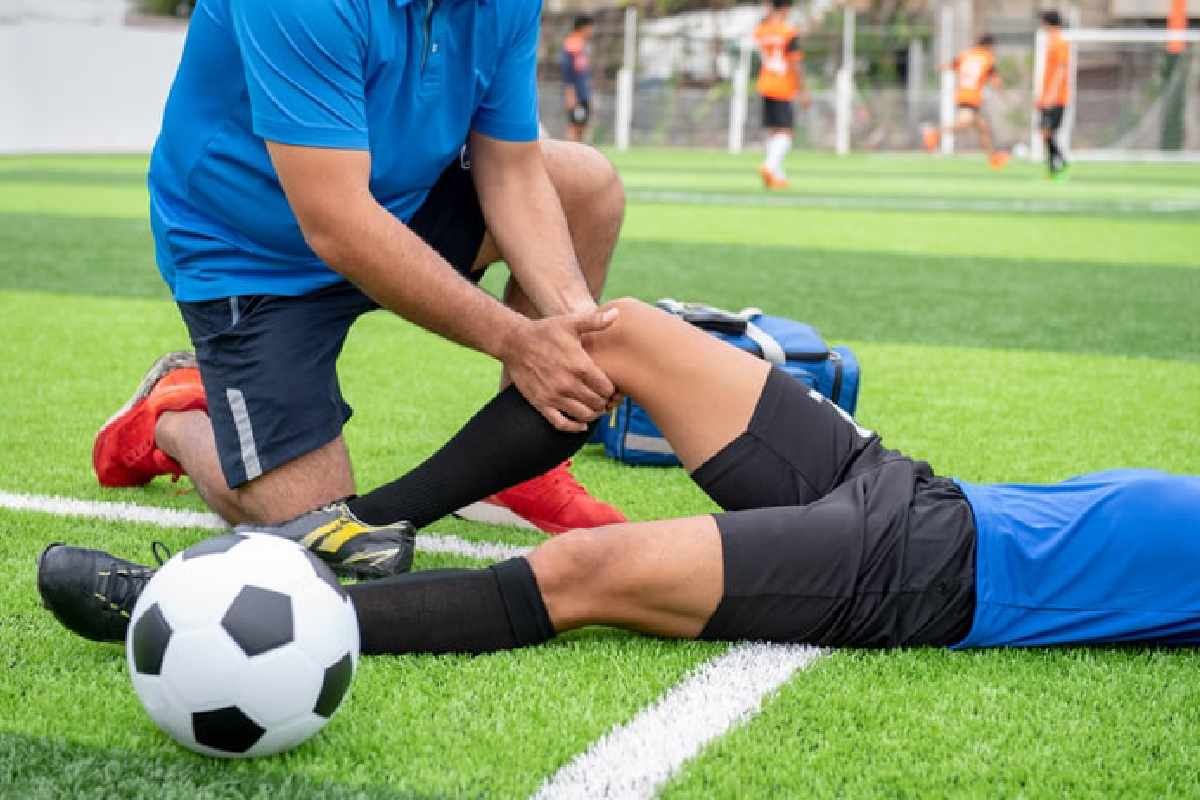
Sports-Related Injuries and Their Treatments
Sports are associated with a lot of good things including physical fitness and psychological health. Nevertheless, injuries can also be caused by the competitive and tough character of most sports. This is necessary because athletes, coaches and sports enthusiasts should be knowledgeable about the most prevalent serious sports related injuries and their treatment. This paper will discuss the most prevalent injuries in sport injury clinics and the common treatment interventions applied to treat these injuries.
Table of Contents
Understanding Sports-Related Injuries
The sports injuries are the physical injuries that appear during the sports activities or in the training or during the competitions. They can exert an effect on muscles, ligaments, tendons, bones and joints. According to research studies carried on sports medicine it has been established that millions of sports injuries are recorded all around the globe annually particularly among athletes who engage in high impact or repetitive motion sports.
Sports injuries are typically categorized into two main types:
- Acute Injuries
Acute injuries are abrupt when the person is engaged in an activity; they normally happen as a result of trauma, collision, and movement that does not occur in the correct manner.
Examples include:
- Bone fractures
- Dislocations
- Ligament tears
- Muscle strains
- Chronic (Overuse) Injuries
These accumulate with time by being subjected to continuous stress on a specific part of the body.
Examples include:
- Tendinitis
- Stress fractures
- Shin splints
- Tennis elbow
The overuse injuries mainly occur in endurance sports including running, cycling, swimming and tennis.
Most Common Serious Sports Injuries and Their Treatments
1. Anterior Cruciate Ligament (ACL) Tear
Description:
ACL tear is a widely related knee injury, which mainly occurs in the games that require sudden stops, jumps or changes of direction as in soccer, basketball and skiing. ACL plays a vital role in making the knee joint stable.
Symptoms:
- A loud “pop” sound or sensation in the knee
- Severe pain and inability to continue activity
- Rapid swelling
- Loss of range of motion
- Feeling of instability
Treatment:
- Initial Care: Rest, ice, compression, and elevation (RICE) to reduce swelling and pain.
- Non-Surgical: Physical therapy used to make the muscles round the knee stronger. This alternative can be quite appropriate in the case of less active people.
- Surgical: The injured ligament is made up again with another tendon taken in the body. The rehabilitation that occurs after the ACL reconstruction surgery is important in terms of recovery, and this usually entails a number of months of physical therapy.
2. Concussion
Description:
This is because concussions are traumatic brain injuries that occur due to the presence of a blow to the head and could be encountered in contact sports like football, hockey, and boxing. They also affect the brain operations and can be life-threatening in the event of not taken care of properly.
Symptoms:
- Headache or pressure in the head
- Confusion or feeling as if in a fog
- Dizziness or loss of balance
- Nausea or vomiting
- Sensitivity to light and noise
- Memory loss and difficulty concentrating
Treatment:
- Acute Action: Substitute the player and have him or her examined by a physician.
- Rest: Physical and cognitive rest until symptoms subside. This includes limiting activities that require mental concentration.
- Gradual Return to Play: Gradually resume exercises because it has been shown that a medically guided approach is the most effective way to ensure that the symptoms do not recur.
- Monitoring: It is done by making regular follow-ups with a healthcare professional to track progress and avoid complications.
3. Shoulder Dislocation
Description:
Dislocations of the shoulders are connected to the pop up of the upper arm bone at the shoulder socket. This is a sport injury that takes place in contact sports and in sports that involve heavy lifting or repeated overhead movements i.e. football, rugby and weight lifting.
Symptoms:
- Intense pain and inability to move the shoulder
- Visible deformity
- Swelling and bruising
- Numbness or weakness in the arm
Treatment:
- Reduction: A health care practitioner will be manipulating the arm back into the shoulder socket.
- Immobilization: This is a sling or brace that is used to hold the shoulder still over a few weeks.
- Rehabilitation: Physical therapy to strengthen shoulder muscles and restore range of motion.
- Surgery: Surgery can be done in situations where there are recurrent dislocations so that the torn or stretched ligaments can be repaired or tightened.
4. Achilles Tendon Rupture
Description:
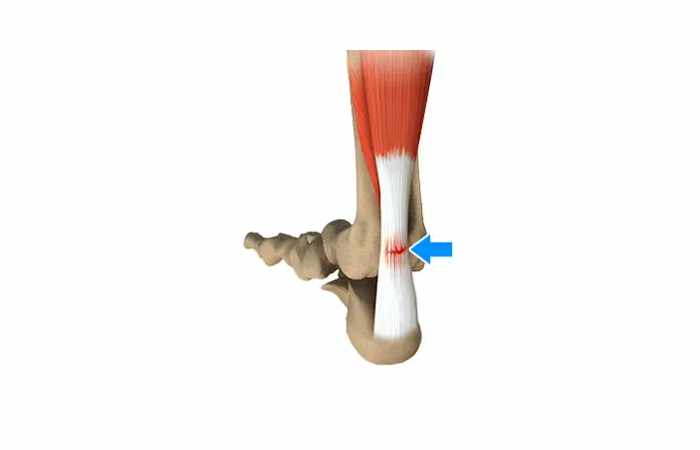
Achilles tendon connects the calf muscles into the heel bone and is required during walking, running and jumping. The sporting activities that are characterized by the sudden starts and stops such as basketball, tennis, and soccer experience ruptures regularly.
Symptoms:
- The ankle had a sudden snap or pop in the back.
- Hatch and Hinterheel pain and swelling.
- Ambulatory problems, especially with the pushing off of the foot.
Treatment:
- Non-Surgical: Tendon apposition with a cast or brace in order to permit the tendon to heal itself. It is normally succeeded by physical therapy.
- Surgical: The tendon can be repaired with the help of a surgical operation with a certain amount of immobilization and long-term rehabilitation to restore the strength and flexibility.
5. Fractures
Description:
The fractures or broken bones can occur in any sport but particularly, in the high impact sport or falls such as skiing, skateboarding as well as the contact sport. The most frequent are the wrist, arm, ankle and leg.
Symptoms:
- Immediate and intense pain
- Swelling and bruising
- Visible deformity
- Inability to use or move the affected limb
Treatment:
- Immobilization: Using casts, splints, or braces to keep the bone in place while it heals.
- Surgical: In severe cases, surgery may be required to insert metal rods, plates, or screws to maintain proper alignment of the bone.
- Rehabilitation: Physical therapy to restore strength and mobility once the bone has healed. (Johns Hopkins Medicine)
Additional Common Sports Injuries
1. Meniscus Tear
Description
The meniscus is a piece of cartilage in the knee that acts as a shock absorber between the thigh bone and shin bone. Twisting movements or sudden changes in direction can cause the meniscus to tear.
Symptoms
- Knee pain and swelling
- Locking or catching sensation in the knee
- Difficulty straightening the leg
- Limited knee mobility
Treatment
Conservative Treatment
- Rest and ice therapy
- Anti-inflammatory medications
- Physical therapy
Surgical Treatment
- Arthroscopic surgery to repair or remove damaged cartilage.
Estimated Treatment Cost
| Treatment Type | Average Cost (USD) |
| Physical therapy | $50 – $150 per session |
| Arthroscopic surgery | $3,000 – $7,000 |
| Post-surgery rehab | $1,000 – $3,000 |
2. Hamstring Strain
Description
Strains of the hamstring are the strains of the muscles that are situated behind the thigh. This trauma is prevalent in short distance events like football, soccer and track athletics.
Symptoms
- Sudden sharp pain in the back of the thigh
- Swelling or bruising
- Muscle weakness
- Difficulty walking or running
Treatment
- Rest and ice therapy
- Compression bandages
- Physical therapy
- Gradual return to activity
Severe tears can be required to be operated.
3. Shin Splints (Medial Tibial Stress Syndrome)
Description
Shin splints are painful in the bone of the shin and are prevalent in runners, dancers, and military recruits.
Causes
- Sudden increase in training intensity
- Improper footwear
- Running on hard surfaces
- Flat feet or abnormal gait
Symptoms
- Tenderness along the shinbone
- Mild swelling
- Pain during or after exercise
Treatment
- Rest from high-impact activity
- Ice therapy
- Orthotic shoe inserts
- Strengthening exercises
Shin splints can eventually result in stress fractures in case they are not treated.
4. Tennis Elbow (Lateral Epicondylitis)
Description
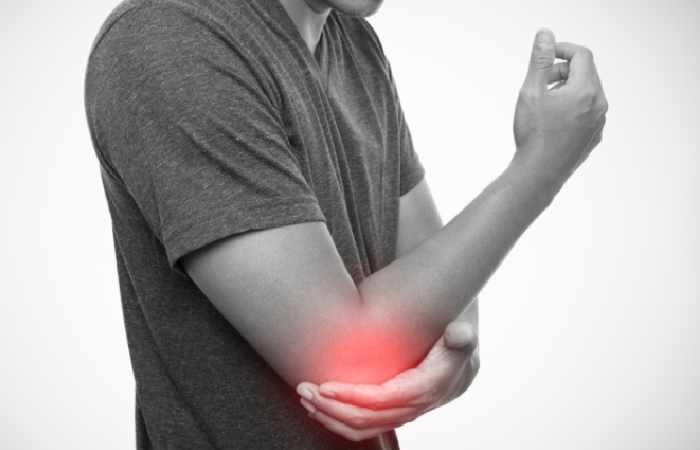
Repetitive motions of the wrist and arm cause tennis elbow especially among tennis players, golfers and manual workers.
Symptoms
- Pain on the outer elbow
- Weak grip strength
- Pain when lifting objects
Treatment
- Rest and anti-inflammatory medication
- Bracing or elbow straps
- Physical therapy
- Corticosteroid injections
Severe cases may require surgery.
Diagnostic Methods for Sports Injuries
The diagnosis should be done correctly in order to have the right treatment plan. There are various diagnostic tools applied by sports medicine specialists.
Physical Examination
Doctors assess:
- Joint stability
- Range of motion
- Pain points
- Muscle strength
Imaging Tests
| Test | Purpose |
| X-ray | Detect bone fractures |
| MRI scan | Identify ligament, tendon, and cartilage injuries |
| CT scan | Detailed imaging for complex fractures |
| Ultrasound | Evaluate muscle and tendon damage |
Cost of Diagnostic Tests
| Diagnostic Test | Average Cost |
| X-ray | $100 – $1,000 |
| MRI scan | $500 – $3,000 |
| CT scan | $300 – $1,500 |
| Ultrasound | $100 – $1,000 |
The prices are different in relation to country, hospital, and insurance coverage.
Rehabilitation and Recovery After Sports Injuries
Sports injuries are treated through recovery programs that use structured rehabilitation programs by physical therapists.
Key Components of Rehabilitation
- Pain Management
- Ice therapy
- Anti-inflammatory medication
- Mobility Restoration
- Stretching exercises
- Joint mobility training
- Strength Training
- Resistance exercises
- Muscle stabilization workouts
- Functional Training
- Sport-specific drills
- Balance and coordination exercises
Typical Recovery Timelines
| Injury | Recovery Time |
| ACL surgery recovery | 6–12 months |
| Meniscus tear | 4–8 weeks |
| Shoulder dislocation | 3–6 months |
| Achilles tendon rupture | 6–12 months |
| Fractures | 6–10 weeks |
The duration to recover depends on the level of attack, mode of treatment and the process of rehabilitation.
Cost of Sports Injury Treatment
The costs of sports injury treatment are dependent on the severity of the injury, mode of treatment, and healthcare system.
| Treatment Type | Estimated Cost |
| Emergency room visit | $150 – $3,000 |
| Orthopedic consultation | $100 – $500 |
| Physical therapy | $50 – $200 per session |
| Surgery | $3,000 – $25,000 |
| Rehabilitation programs | $500 – $5,000 |
Sports insurance policies are used by athletes to take care of these costs. (American Academy of Orthopaedic Surgeons)
Preventing Sports-Related Injuries
Injuries among athletes are highly prevented by preventive measures.
| Prevention Method | Details |
| Warm Up Properly | Start with light exercises and stretching before playing sports to prepare muscles and joints. |
| Use Correct Technique | Learn and practice proper movement and playing techniques to reduce strain and injury risk. |
| Wear Protective Gear | Use the right equipment such as helmets, pads, mouthguards, or proper shoes for safety. |
| Stay Hydrated | Drink enough water before, during, and after activity to prevent cramps and fatigue. |
| Build Strength and Flexibility | Regular exercise improves muscle support, balance, and joint mobility. |
| Avoid Overtraining | Give the body enough rest between practices and games to prevent stress injuries. |
| Listen to Your Body | Stop activity if you feel pain, dizziness, or unusual discomfort to avoid worsening an injury. |
| Cool Down After Exercise | Finish with gentle movement and stretching to help muscles recover. |
| Maintain a Healthy Diet | Eat nutritious foods to support muscle repair, bone strength, and energy levels. |
| Get Regular Checkups | Medical or fitness assessments can help identify risks and keep athletes in good condition. |
The Role of Sports Medicine Specialists
Sports medicine experts assist athletes in the prevention, diagnosis, and treatment of injuries.
Key Specialists
| Specialist | Role |
| Sports medicine physician | Injury diagnosis and treatment |
| Orthopedic surgeon | Surgical procedures |
| Physical therapist | Rehabilitation programs |
| Athletic trainer | On-field injury care |
| Sports nutritionist | Diet and recovery support |
Several professional teams have whole sports medicine teams to keep the athletes safe.
Emerging Treatments in Sports Injury Management
The current medical technology has enhanced recovery.
Platelet-Rich Plasma (PRP) Therapy
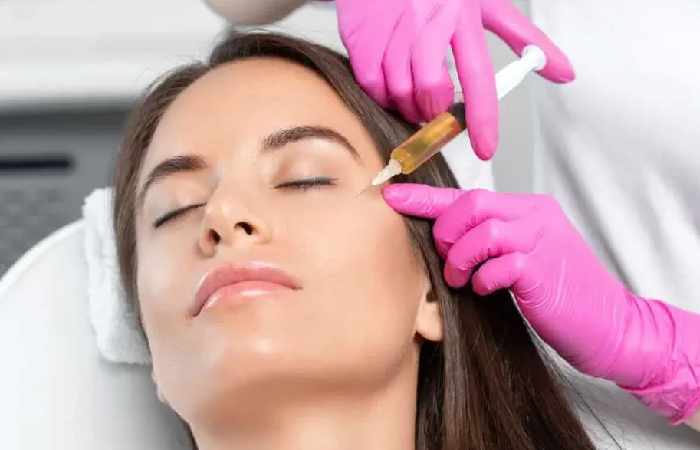
The PRP therapy involves the use of concentrated platelets of blood belonging to the patients to speed up the repair of tendons and ligaments.
Average cost: $500 – $2,000 per treatment
Stem Cell Therapy
Stem cells have a potential of restoring tissue damage in tendons and in joints.
Average cost: $5,000 – $20,000
Minimally Invasive Arthroscopy
Arthroscopy surgery enables the practitioner to heal the injury of joints with minimal incisions, hence less time is taken to heal.
Benefits include:
- Less pain
- Faster recovery
- Reduced hospital stay
Psychological Impact of Sports Injuries
| Psychological Impact | Details |
| Stress and Anxiety | Injured athletes may worry about recovery time, performance, and returning to competition. |
| Depression | Being unable to play or train can lead to sadness, frustration, and feelings of isolation. |
| Loss of Confidence | Injuries may reduce an athlete’s belief in their physical ability and future performance. |
| Fear of Reinjury | Many athletes become afraid of getting hurt again when returning to sports. |
| Anger and Frustration | Pain, limited movement, and missed opportunities can cause emotional upset. |
| Identity Struggles | Athletes who strongly identify with their sport may feel a loss of purpose during recovery. |
| Social Isolation | Time away from teammates, coaches, and competitions can make athletes feel disconnected. |
| Lower Motivation | Recovery can be long and difficult, causing some athletes to lose motivation for training or rehabilitation. |
| Emotional Ups and Downs | The healing process often brings mixed emotions, including hope, disappointment, and uncertainty. |
| Need for Mental Support | Counseling, encouragement, and mental health support can help athletes cope during recovery. |
When to Seek Medical Attention
The athlete ought to obtain professional assistance in case he/she exhibits:
- Severe swelling or deformity
- Persistent pain lasting more than 48 hours
- Inability to move a joint
- Numbness or tingling
- Head injury symptoms
Prompt medical evaluation prevents complications and long-term damage.
Conclusion
Sports injuries can be daunting yet having knowledge of the most common type of injury and the available management concerning the injury can help to cope with and heal the injuries. One should always seek the services of a good doctor and be properly diagnosed and treated. Prevention strategies such as appropriate training, using the appropriate equipment and precautions should be taken in order to minimize the chances of severe injuries during any sporting activity. Stay safe and play smart!
